 Türkçe
 العربية
 Español
 Français
 русский
 Deutsch


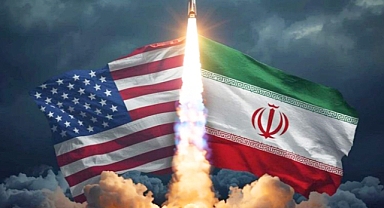
The conflict with Iran has created a massive rift within the NATO alliance, as President Donald Trump openly questions the future of the organization after key European partners refused to support US-Israeli military strikes.The bloody confrontation with Iran, now a month old, has pushed the post-WWII NATO alliance to a historic breaking point. As US and Israeli air raids continue against Iranian targets, the refusal of major European powers—specifically France, Italy, and Spain—to accommodate Washington's military requests signals a near-total collapse of transatlantic relations. President Trump has characterized France's decision to close its airspace to planes carrying munitions to Israel as "betrayal," while also launching verbal assaults against London for its failure to intervene in the escalating crisis in the Strait of Hormuz.Europe’s "Logistical Blockade": Bases and Airspace Closed
European capitals are moving beyond rhetoric, taking concrete steps to distance themselves from the US strategy in Iran:France and Italy: For the first time since the conflict erupted on February 28, Paris denied passage to aircraft transporting weaponry to Israel. Simultaneously, Italy restricted the use of the strategic Sigonella base in Sicily for any operations falling outside existing NATO agreements.Spain’s Hardline Stance: Prime Minister Pedro Sanchez has taken the firmest position against the US operations, completely sealing Spanish airspace to American fighter jets.The German Dilemma: While Berlin has not officially restricted the use of the Ramstein Air Base, President Steinmeier’s declaration that the war is "illegal" has sparked a fierce political firestorm within the country.Pentagon Threatens "Article 5": Is the Alliance Dissolving?
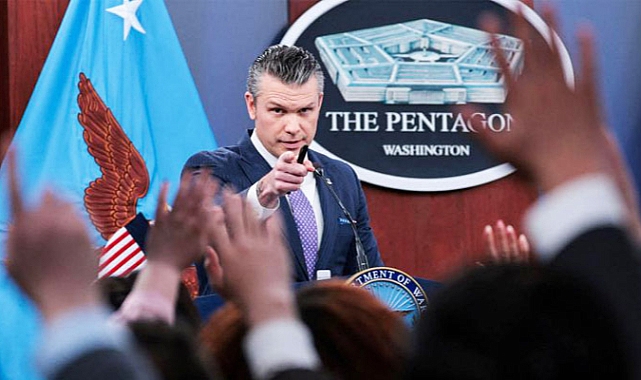
In a startling briefing at the Pentagon, Secretary of Defense Pete Hegseth pointedly declined to reaffirm NATO's cornerstone principle: "an attack against one member is an attack against all" (Article 5). Hegseth remarked, "You don't have much of an alliance if you have countries that are not willing to stand with you when you need them, blocking access and creating roadblocks. Whether we remain committed to collective defense is ultimately a decision that will be left to President Trump."Experts warn that weaponizing NATO protection as a bargaining chip could embolden global adversaries like Russia. Tensions already strained by Trump's second-term trade wars and his demands to purchase Greenland have reached a boiling point with the Iran war. Europe now watches with deep anxiety as Washington navigates Middle Eastern expansionism and attempts to broker a peace deal between Ukraine and Russia that many fear favors Moscow.