 Türkçe
 العربية
 Español
 Français
 русский
 Deutsch

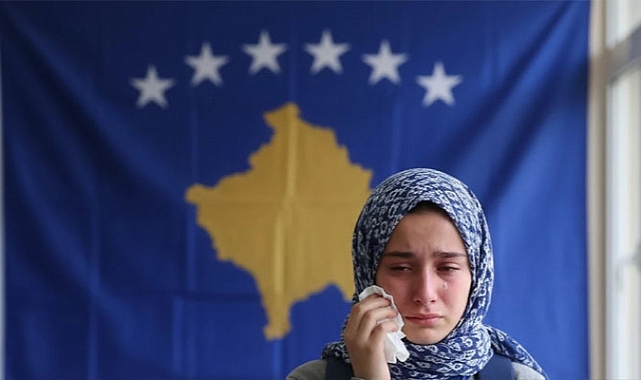

The long-standing debate over wearing Islamic headscarves (hijab) in Kosovo schools has been clarified by a decision from the Supreme Court. The court rejected a lawsuit seeking permission for students to wear headscarves, confirming that the Ministry of Education (MEST) has the authority to set rules regarding student dress and behavior.
The Women's Network for Professional Development "Arrita" had filed the lawsuit, requesting the annulment of the relevant article in MEST’s Administrative Instruction 06/2014, which regulates the code of conduct and disciplinary measures for secondary school students. The network argued that the instruction violated the constitutional rights and freedoms of girls wearing headscarves.
The court dismissed the case as unfounded, emphasizing that the Ministry has clear legal authority to set rules for student behavior, including dress codes. It noted that the provision prohibiting "religious uniforms" in schools is supported by a higher legal regulation and therefore cannot be repealed.
The lawsuit highlighted tensions between Kosovo’s constitutional guarantee of freedom of belief and the role of religious symbols in schools. The Islamic Community of Kosovo (BIK) had objected to the ban, arguing that headscarves do not constitute a "religious uniform." The Kosovo Law Institute also noted that the vague wording of the administrative instruction could lead to selective enforcement of the rules.
This ruling keeps the headscarf debate alive in Kosovo and signals that differing interpretations regarding religious symbols and school dress policies are likely to continue.